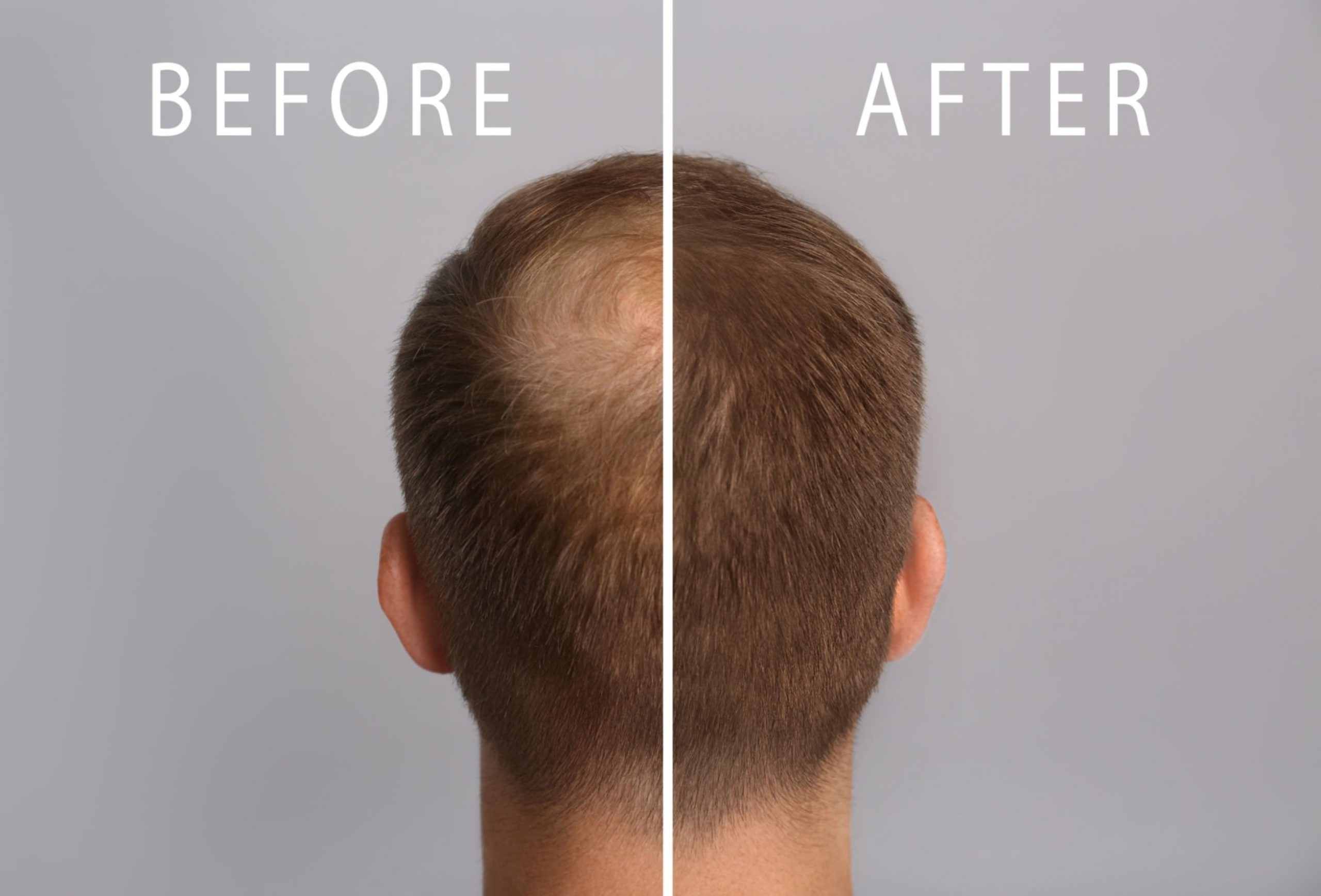
Platelet Rich Plasma (PRP) therapy, also known as The Vampire Facelift®, harnesses the body’s own healing powers to stimulate new tissue growth, giving your skin a healthy, more youthful appearance.
A small amount of the client’s own blood is taken and the plasma is then separated out from the rest of the blood, by means of a centrifuge to create the platelet rich plasma. This plasma is then injected into the area of concern where the platelets then release their growth factors.
PRP and PRF are similar treatments using the patient’s blood for skin rejuvenation. PRP involves separating platelets from blood in a centrifuge, while PRF involves coagulating the blood to form a matrix of fibrin. Both contain growth factors and healing proteins, but PRF is used for more involved procedures and has longer-lasting results. PRP is used to treat various skin conditions, while PRF is used for non-surgical facelifts. When choosing between PRP and PRF, it is important to consider the specific needs and goals of the patient. A qualified aesthetic practitioner can recommend the best treatment option based on the individual’s medical history and skin concerns.


PRP and PRF are similar treatments using the patient’s blood for skin rejuvenation. PRP involves separating platelets from blood in a centrifuge, while PRF involves coagulating the blood to form a matrix of fibrin. Both contain growth factors and healing proteins, but PRF is used for more involved procedures and has longer-lasting results. PRP is used to treat various skin conditions, while PRF is used for non-surgical facelifts. When choosing between PRP and PRF, it is important to consider the specific needs and goals of the patient. A qualified aesthetic practitioner can recommend the best treatment option based on the individual’s medical history and skin concerns.
Forehead lines are those that run horizontally between the eyebrows and the hairline. They can be caused by ageing, sun damage, smoking, or stress. A lined forehead can be distracting and can detract from a youthful complexion and pleasant appearance.
Subtle injections of Botox® can smooth the skin and minimise the activity of the muscles causing the lines. It is most effective when the lines are not too severe and have not become ‘ridges’. If your forehead lines are deep, a different treatment, such as filler may be advised.
Frown lines are caused by the same factors as forehead lines but occur vertically between the eyebrows. Not only are they ageing, but they can make you look permanently disgruntled, stressed, or angry. This can have a knock-on effect on how people perceive you in your personal and professional life.
Botox® injected into the lines between the brows (glabella) relaxes the area, preventing you from ‘knitting’ your eyebrows together to deepen the lines.
However, if you can noticeably see the lines when you aren’t frowning, dermal fillers may be a more effective solution.
Another of the most common ‘problem areas’ for clients are crow’s feet. Crow’s feet are the fine lines that fan out from the corners of your eyes when you make an expression and, like other wrinkles, they become more noticeable as we age. Also known as laugh lines or character lines, crow’s feet are caused by a loss of elasticity and collagen in the skin as we age, and can be exacerbated by exposure to the sun and UV rays such as from sunbeds.
A couple of subtle injections of Botox® in the area can stop early crow’s feet from developing further.
As crow’s feet are so close to the eyes it is even more important that the injections are administered by a fully trained professional to prevent potential side effects such as droopy eyelids.
Botox® is a minimally invasive way to lift the eyebrows and tackle several problem areas at once. Injecting a small amount of Botox® above the lateral aspect of the eyebrows will prevent a droopy appearance and lift the face, giving you a wide awake and youthful look. Botox® may also be injected into the glabella and forehead areas in the same session to give a relaxed and rested look.
A Botox® brow lift poses less risk than a surgical brow lift which can cause complications including scarring and hair loss. It also creates a much more natural appearance, avoiding the ‘perpetually shocked’ look.
Bunny lines are the lines that can appear when you scrunch up your nose, such as when you smile or laugh. They fan out from the inside of your eye to the bridge of your nose. As you age and your skin loses its elasticity, the lines deepen and may no longer disappear when you relax your face.
A droopy nose tip can have a dragging down effect on the mouth, creating a downturned appearance. Thankfully, this problem can be corrected with a small amount of Botox® injected into the depressor septi nasi muscle, which pulls the sides of the nose downwards. The Botox® lessens this pulling effect, lifting the tip of your nose for a perkier appearance.
Much less drastic than a rhinoplasty (surgical nose job) nasal Botox® is one solution for clients who wish to change their nose but is not suitable for changing the overall shape. Nasal Botox® can also be used in some cases to stop overly flaring nostrils.
A ‘gummy smile’ is where a person shows three millimeters or more of gum when they smile. The optimal is less than two millimeters, and those who show more may be embarrassed to smile or even feel uncomfortable talking to people face to face.
The condition can be caused by factors such as:
Small or ‘hidden’ teeth
A short or ‘hyperactive’ upper lip
Long or enlarged gums (gingival hypertrophy)
A genetic excessive growth of the upper jaw (vertical maxillary excess)
Botox® is injected into the area between your nose and upper lip to relax the upper lip and hide the gums for a more natural and pleasant smile.
The joints that connect your jawbone to your skull on each side of your jaw are called the temporomandibular joints (TMJ) This area can be subject to TMJ disorders, causing the sufferer to feel pain in the TMJ and surrounding muscles when they are working, ie during movement of the jaw. These disorders can be caused by many factors, such as genetics, arthritis, or an injury to the jaw. However, for many people, the cause is the excessive grinding of the teeth or clenching of the jaw.
This may be something you do in your sleep or you may be otherwise unaware of the action, but the symptoms include headaches ranging from mild to severe, tenderness in the TMJ or jaw area, pain or problems chewing, and lockjaw where it becomes difficult to open or close your mouth. Some sufferers also endure ringing or pain in their ears.
Botox® can be used to block the pain receptors, relax the muscles and decrease the pressure on the TMJ to alleviate the symptoms. The inability to move the muscles causing the pain and tenderness can give the client relief from the condition and prevent it from worsening. For best results, treatment should be repeated every three to four months approximately.
Sometimes TMJ disorder causes the masseter muscles (that run through the back of the cheek from your temporal bone to your lower jaw) to enlarge.
These muscles can also thicken with age, creating a square jawline. Botox® can be used to slim down the face and soften the jawline by alleviating the pressure on the TMJ muscles.
The chin may not be one of the first places you think of where Botox® would be effective. However, just like other areas of the face, the chin can display signs of ageing such as the so-called ‘orange peel’ dimpled. Caused by excessive flexing of the chin muscles, this bumpy or lumpy skin on the chin can detract from our features and what may otherwise be a youthful appearance.
Thankfully, Botox® can be very effective in correcting a dimpled chin. Using ultrafine needles, small amounts of Botox® are injected into the problem area to relax the muscles and smooth and tighten the skin.
The neckline is another area where the signs of ageing may be visible and restrict clothing choices and inhibit confidence. A ‘turkey neck’ is when the vertical bands at the front and sides of the neck (the platysma muscle bands) increase in size and become more noticeable through years of hyperactivity. Botox® can be used to reduce this hyperactivity and lessen the appearance of the lines.
Botox® can also be injected into the jawline to improve the appearance of sagging jowls and tighten and slim the neckline. This is sometimes called the neck lift or Nefertiti neck lift after the legendary Egyptian queen whose exquisite neck and bone structure is still admired today.
Underarm sweat can be embarrassing and uncomfortable whenever it occurs. For most of us, though, we only sweat excessively when undertaking rigorous exercise or when we’re exposed to very high temperatures. Some people have overactive sweat glands that cause them to sweat excessively. Although these glands can be overactive anywhere on the body, the underarms are one of the most common places. If you have this problem and even medical-grade antiperspirant doesn’t help, Botox® could provide an effective solution. A couple of injections of Botox® into the sweat glands under the arms can block the communication between your nerves and sweat glands. This will stop you from sweating profusely in the targeted area, leaving you free from the discomfort and embarrassment of excessive sweating.
The International Hyperhidrosis Society credits underarm Botox® injections with an 82-87% rate of reducing underarm sweating.
Similarly, some people suffer from excessive sweating in the palm of their hands, a condition called palmar hyperhidrosis. This can also be debilitating, preventing something as simple as a handshake or holding hands, as well as limiting or even prohibiting manual activities. Solutions such as applying antiperspirants can be ineffective due to how much we use our hands, and can also irritate if you rub your hands together.
Botox® can be more painful in the palm of the hands, but could be an effective solution when an over the counter or even medically-prescribed lotions and products have failed.
*Please be advised that individual results may vary
A Solution for Migraine Relief.
Migraines are a debilitating condition that affects millions of people worldwide. These headaches can be so severe that they can make it impossible to function, leaving sufferers unable to work or even perform daily activities. Traditional treatments for migraines include medication and lifestyle changes, but for some people, these methods may not provide enough relief.
When injected into specific areas, Botox can block the release of chemicals that cause inflammation and pain. This leads to a reduction in the frequency and severity of migraines.
The treatment is typically administered by a licensed medical professional in a series of injections. The injections are typically given every 12 weeks and the effects can last up to 3 months. Some people may experience mild side effects such as headaches or muscle weakness, but these are usually temporary and go away on their own.
Botox is FDA-approved for the preventive treatment of chronic migraines in adults and has been found to be a safe and effective treatment option for many people.
Baby Botox is a non-surgical cosmetic procedure that involves the injection of very small amounts of purified botulinum toxin into facial muscles to reduce wrinkles and fine lines. The idea behind Baby Botox is that it can provide all the beneficial effects of traditional Botox injections, but with fewer risks and less dramatic changes. In other words, it’s a way to enjoy the cosmetic benefits of Botox without looking ‘overdone’ or unnatural.
The main difference between Baby Botox and traditional Botox lies in the dosage – Baby Botox uses significantly smaller amounts than regular doses. This means that while regular Botox injections can cause longer lasting results,Baby Botox will take effect more gradually and have a more subtle impact on facial appearance. Additionally, since only tiny amounts are used, there is much less risk of side effects such as drooping eyelids or eyebrows.
The amount needed for each individual varies depending on the patient’s desired outcome and desired level of wrinkle reduction.
Botox Lip Lift: The Non-Surgical Way to Plump and Enhance Your Lips
Full lips are often associated with youth and beauty, but as we age, our lips can lose volume and definition. Surgery and fillers have long been the traditional options for enhancing the appearance of the lips, but now there is a non-surgical alternative: Botox Lip Lift.
A Botox Lip Lift is a cosmetic procedure that uses small injections of Botox to lift and enhance the appearance of the lips. The Botox is injected into specific areas around the lips, causing the muscles to relax and the skin to lift, creating a more defined and youthful appearance.
This procedure is perfect for individuals who want to enhance the shape and fullness of their lips without fillers or surgery. Unlike fillers, which add volume to the lips, a Botox Lip Lift works by lifting the skin and muscles around the lips to create a more defined shape. The results are subtle and natural-looking, and the procedure is relatively painless with minimal downtime.
The effects of a Botox Lip Lift can last for 3 months, after which the procedure can be repeated to maintain the desired results.